Prepared by Ashoka Opticals for Ridhi Mehra
A couture house that dresses the wedding week, not yet the face.
A first Ridhi Mehra sunglasses collection, made by a wholesale optical house and shown first to the women who already know the label. Real market data below, and the price in your hands.
Scroll for the market, the product, both deal models and a live calculator.
Concept render, procedurally modelled. Not a Ridhi Mehra product, not a photo of our samples. Drag to turn.
In brief
Sunglasses are the missing piece of the Ridhi Mehra wedding week.
Ridhi Mehra already dresses the bride, the bridesmaids and the guests, and already sells accessories at ₹17,300–23,800. Sunglasses are the one wedding-week accessory the label does not yet offer. We propose a small, beautifully made first collection, produced by Ashoka Opticals, a wholesale optical house, and carrying the Ridhi Mehra mark.
A clear opening
Sunglasses on sale in India run from ₹999 to about ₹1,14,000. Between mass-market optical brands and imported luxury houses, no label tells a wedding story in sunglasses.
Made for the label
Aviator and wayfarer shapes in champagne, ivory, tortoise and smoke, named the way the label names its outfits, marked on the temple by hot stamping or metal laser.
Easy to begin, easy to grow
A first collection of 30 styles, 12 pieces of each, 360 pieces in all, with room to grow as it sells. Two deal models, so the brand chooses between buying outright and sharing profit with us.
The page shows what is available in the market, how the glasses would look and carry the mark, the pricing for both models, and a calculator that lets the brand test its own numbers.

Logo as published on ridhimehra.com, observed 26 Oct 2026. Used here only to show where a mark would sit.
The brand and the gap
The label already sells accessories at ₹17,300–23,800.
The brand audit found a Delhi couture label with edits for gifting, bridesmaids and trousseau, and accessories (candles, kaleeras, potli bags, belts) named in Indian-language words. It does not yet sell eyewear. That is the opening.
Research on luxury extensions finds that customers accept a new category when it feels like a natural fit with the brand. Sunglasses worn with jewellery, for the ceremony and the photographs, are a natural fit for a couture label.
Why it fits
The label Edits for gifting, bridesmaids and trousseau, and accessories already priced at ₹17,300–23,800.
The customer Women aged 25–40, high net worth, who dress for weddings and occasions.
The gap Sunglasses are the missing wedding-week accessory.
Visual story
The wedding week, seen through the lens.
Six frames for the campaign we would test, built from the reference board. The idea is that the glasses are styled with the jewellery, not worn instead of it. Every image on this page is a reference. None is a Ridhi Mehra product or a shot of our samples.
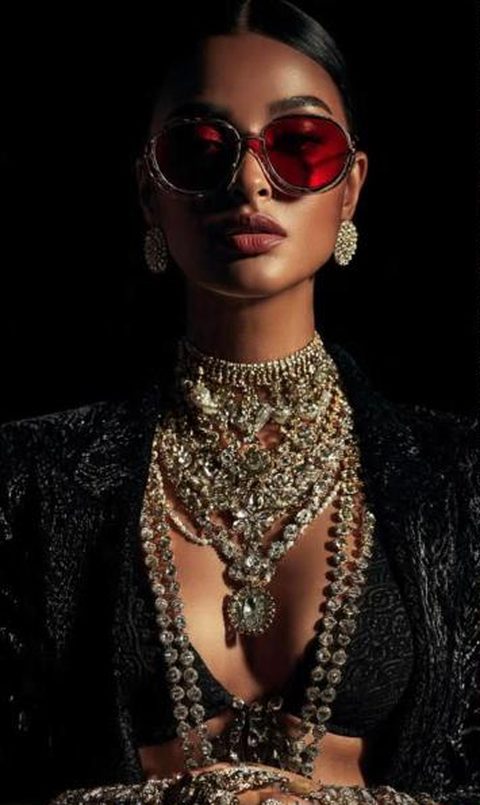 The set is chosenJewellery first, the frame last. Dark acetate, a single gold mark.
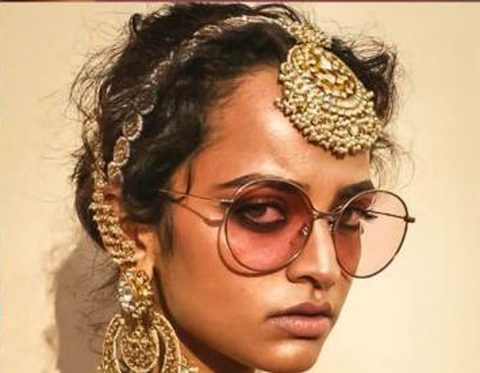 Daylight ceremonyRound rose lenses worn with a maang tikka. Concept A.
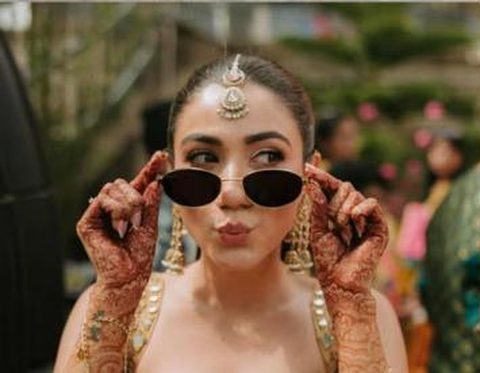 MehendiThe hand-held moment, mirror-work and a slim oval. Concept A.
 ArrivalSmall ovals under a dupatta. The quiet accessory, Concept B.
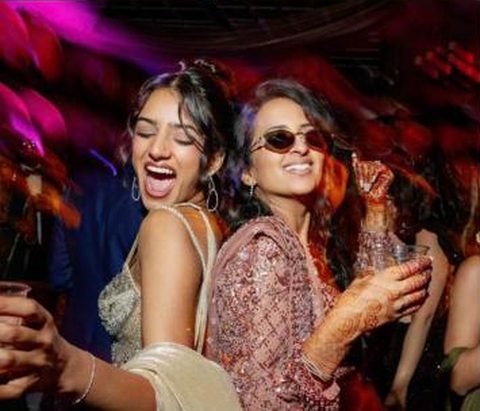 Sangeet nightWhere a bolder, cheaper style could travel. Concept C, held in reserve.
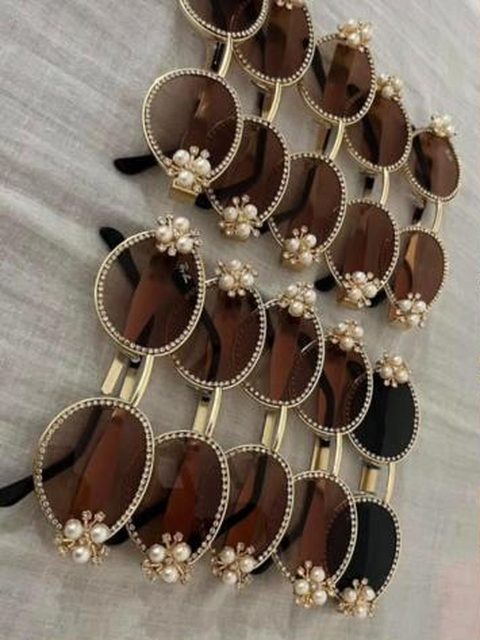 The giftPearl trim for bridesmaids. The Bridesmaid and Gift editions.
Frames are from Ashoka's own Pinterest board, used as mood references for this meeting only. Photographers and brands are not credited here.
What is available in the market
Sunglasses run from ₹999 to about ₹1,14,000. The gap is a story, not a price.
Retail prices observed on official or retailer pages on 26 Oct 2026. Jacques Marie Mage is priced in US dollars and shown converted at ₹94.97 per dollar (banklive.net, 26 Oct 2026), so treat that bar as approximate. The dashed bar is the range we propose to test, not a recommendation.
Titan Eye+ figures are retailer prices for third-party brands. John Jacobs is shown at its official ₹3,000–5,000.
The customer
Eight segments. Four to start with.
We would refine these segments with the brand's own customer data.
Competitor products
Black, tortoise, gold. Aviators and squares. Women's first names.
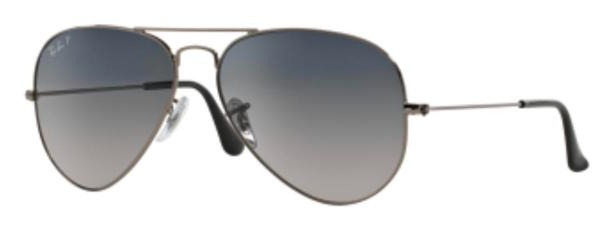 Ray-Ban AviatorIndia ₹8,690–16,790 across the range. The metal teardrop we model. ray-ban.com.
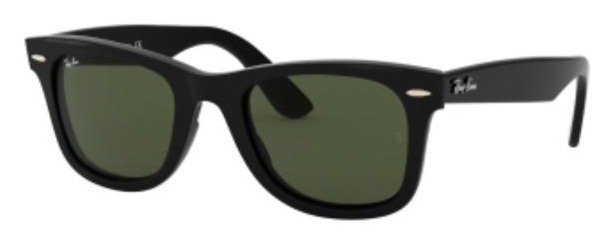 Ray-Ban WayfarerAcetate trapezoid, thick top rim, plaque on the temple. ray-ban.com.
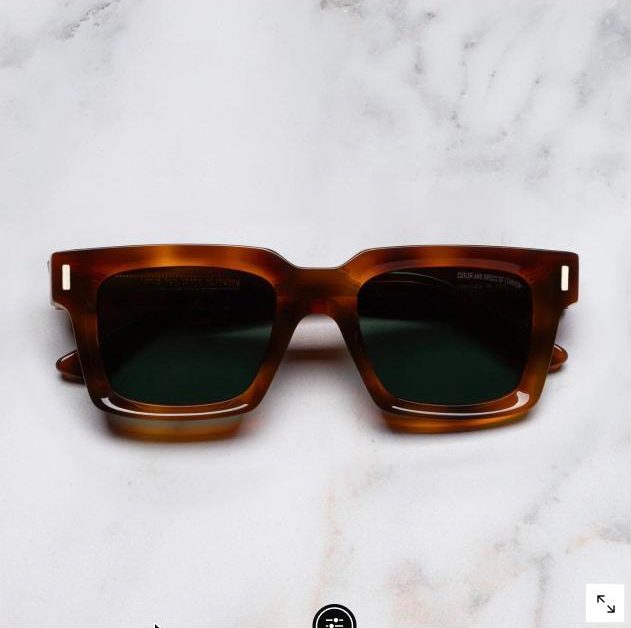 Cutler and Gross 1386€400–1,015 across the range. Numeric codes, handmade acetate. cutlerandgross.com.
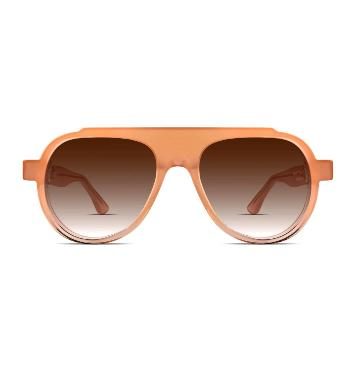 Thierry Lasry Dynasty€350–535 across the range. Playful names, bold shapes. thierrylasry.com.
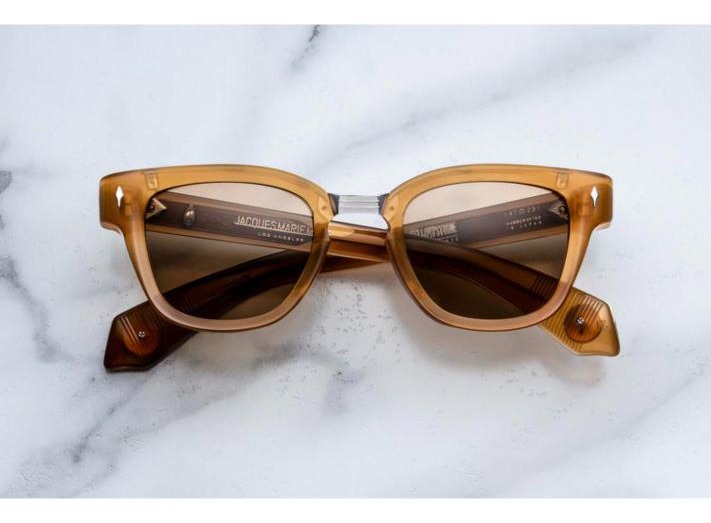 Jacques Marie Mage$750–1,200 across the range. Limited runs, named after places and people. jacquesmariemage.com.
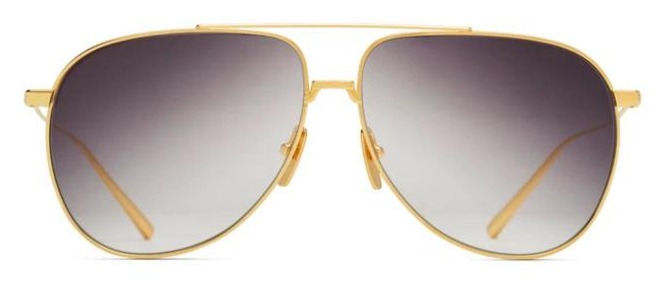 DITA Artoa$595–1,405 across the range. Titanium aviators, numeric and word names. dita.com.
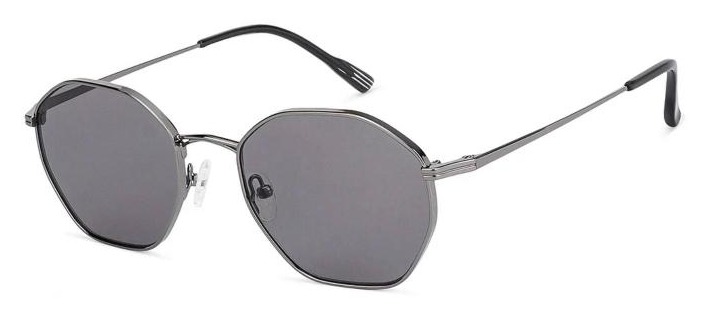 John JacobsIndia ₹3,000–5,000. The Lenskart house brand, a mass-premium reference. lenskart.com.
 Eyewearlabs CassieListed ₹999 against an MRP of ₹3,599. The Indian online-first price floor. eyewearlabs.com.
Competitor images are from each brand's official page or retailer page, observed 26 Oct 2026, shown for comparison only. Gucci, Dior and Jacquemus appear below under temple marking. Prices are range figures in the brand's own currency, not the price of the pictured style.
What 93 DITA styles look like
Shape count and frame material, from the brand's own collection page.
Four ways brands name product
Women's first names (Linda Farrow). Numeric codes (Cutler and Gross). Playful word forms (Thierry Lasry). Cultural figures (Jacques Marie Mage).
We found no one using Indian-language object names on eyewear. Ridhi Mehra already names accessories this way, which makes the naming a natural fit for the collection.
Concept directions
Lead with A and B together. Keep C in reserve.
LeadA. The Trousseau Edit
Sunglasses for the wedding week: daytime ceremonies, destination weddings. Sold at bridal appointments.
Colours: champagne, ivory, soft smoke. Timed to the wedding season, November to February.
LeadB. Atelier Accessory
A quiet couture accessory. Discreet foil mark, jewellery-style case, small numbered runs.
Scarcity supports price. Matches how the brand sells a belt or potli.
ReserveC. Everyday Ridhi
Wider daily wear with bolder colour and a more visible logo at a lower price.
Widest reach, with bolder colour and a lower price. Opens once demand beyond bridal shows.
Naming the way the label names Suggestions for the brand to approve
Read from ridhimehra.com on 26 Oct 2026: single-word names (Inayat, Tarana, Swarn, Aurelia, Dilruba) followed by the garment type ("Saree Set"), collections named in Urdu and Hindi (Naaz, Saaz, Nooreh, Zar Bano), and edits written as "The Trousseau Edit" and "The Gift Edit". The eyewear follows the same grammar: one name, then the product type. Style names below are existing names from the site, so the brand must approve them, and pairing a pair of sunglasses with the outfit of the same name is a cross-sell idea to test.
Product mockups
Try the frame, the colour and the mark.
The 3D models are procedural concepts of two classic shapes, an aviator and a wayfarer-style frame, built to show colour and logo placement. The wordmark is set in the label's serif and the deer emblem is traced from the logo on ridhimehra.com. Both are for placement only; the brand's own artwork replaces them for production.
Concept render. Drag to rotate. Not an existing Ridhi Mehra product.
Style
Colour
Lens
View
Foil
Model name
Temple marking
Marking options are hot stamping (gold foil, on acetate or metal) and metal laser (metal frames only). There are six places, three on each temple: outer front beside the eye, outer rear behind the ear, and inner middle. Each can be switched on or off, with the full brand name in one and the model name in another. Foil colour is a free choice; gold on a gold frame does not show. Custom cast hardware needs tooling and is excluded. Lens tint, plating and materials are for sample confirmation.
How the houses mark the temple
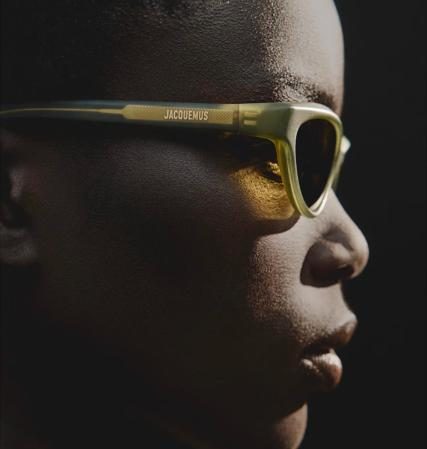 JacquemusName along the outer temple, near the front. Image: jacquemus.com.
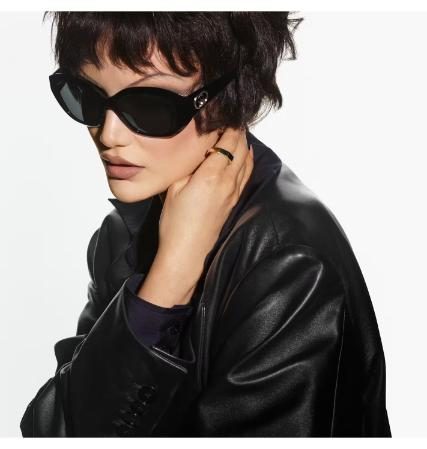 GucciEmblem at the temple front, beside the eye. Image: gucci.com.
 DiorMedallion at the temple front. Image: dior.com.
All three put the mark on the outer temple near the front, where it shows in profile. That is our recommended primary place. The inner-middle mark is the quiet one for the model name, and the rear mark is optional.
Place the mark on your own sample photo
Choose a photo of a real sample. Drag the mark, resize it and switch between hot stamping and metal laser. Photos stay in your browser. Nothing is uploaded.
Price and perceived value
Two tiers. Prices are test cells until customers say otherwise.
Core
Acetate frame, standard lens. Supplier tier ₹1,700–1,800.
₹8,000 · ₹12,000
Nearest benchmarks: John Jacobs ₹3,000–5,000, Ray-Ban India ₹8,690–16,790.
Signature
Premium acetate, polarised lens, case, cloth, visible warranty. Supplier tier ₹3,000.
₹12,000 · ₹18,000 · ₹25,000
Nearest benchmarks: Persol, Prada, Oliver Peoples ₹22,000–48,000 at Titan Eye+; the brand's own accessories ₹17,300–23,800.
Both tiers are priced against what the customer already pays: Ray-Ban India at ₹8,690–16,790, specialist labels at ₹22,000–48,000, and the brand's own accessories at ₹17,300–23,800. The Signature tier adds visible quality: premium acetate, a polarised lens, a case and cloth, and a warranty.
The numbers
Two deal models. One calculator.
Model A: the brand buys
The brand picks from our samples, adds its mark and buys at the quoted price. It sets the retail price and keeps the profit. Minimum 12 pieces per colour.
Model B: we fund, you share
We fund production. The brand sets the price. Profit after product, selling costs, marketing, clearing unsold stock and financing is split 50/50. The definition of profit is written into the agreement.
The collection in numbers
30 styles × 12 pieces each = 360 pieces. At ₹3,000 per piece the Model A invoice is ₹10,80,000 before GST and ₹12,74,400 with 18% GST. At ₹1,700–1,800 the standard tier is ₹6,12,000–6,48,000 before GST. Model B uses the same 360 pieces at our cost, funded by us.
How to read this calculator
It follows one season of sales for the whole collection and shows what is left at the end. Move a slider and every figure updates. The starting values are the Base case; Cautious and Strong are cooler and warmer guesses.
The sliders
- Retail price: the price on the tag, GST included.
- Discount: the average discount customers get off that price.
- Sell-through: the share of the pieces that sell during the season.
- Pieces bought: the size of the first order. 30 styles with 12 of each is 360.
- Quoted price: what the brand pays us per piece (₹3,000 premium, ₹1,700–1,800 standard).
- Launch costs: shoot, campaign, store allocation. Zero until the brand states them.
- Our profit share: Model B only, the share of profit that comes to us.
The results
- Operating profit: what is left after the pieces are paid for, selling costs, unsold stock and the cost of money. Profit is not cash in the bank, which comes later.
- Invoice, ex-GST: our bill to the brand. Cash out up front adds 18% GST.
- Break-even sell-through: the share of pieces that must sell to cover everything. Anything above it is profit.
- Model B: the profit pool is split by the profit share. We fund the stock, so the cash we fund is the full production cost, and the brand puts nothing up front.
Worked example, Base case, Model A
- The tag says ₹12,000. With the 8% discount the customer pays ₹11,040. Take out 18% GST and the brand keeps ₹9,356 per pair.
- Each piece costs the brand ₹3,000. Selling it costs about ₹1,000 more: payment fees ₹261, shipping and returns ₹124, marketing ₹480, defects ₹60 and so on. That leaves about ₹5,432 for every pair sold.
- 65% of the 360 pieces sell, which is 234 pairs. 234 × ₹5,432 = ₹12,71,055.
- The 126 unsold pieces are cleared at a discount, which costs ₹51,254. Holding the stock for four months costs ₹43,200 in the cost of money.
- That leaves ₹11,76,601 operating profit on a ₹10,80,000 invoice. In Model B this is split 50/50, ₹5,88,300 each.
Illustrative inputs for one season, before tax. Move the sliders to your own retail price, sell-through and launch costs.
The plan
A 30-style collection, then growth.
Now – Dec 2026
Agree
Choose the model and the styles. Agree the mark, the price and the terms.
Jan – Mar 2027
Launch
The first collection goes on sale: own stores, WhatsApp, Instagram, bridal appointments.
Mar – Jun 2027
Summer
Reorder the styles that lead. Add a multi-brand store.
From Aug 2027
Scale
Festive and wedding season at larger volumes. Optical retail.
What success looks like Proposed, to agree with the brand
Why say yes
Six reasons to start now.
1. The category is open
Between ₹5,000 mass-premium and ₹48,000 imported luxury, no Indian couture label owns sunglasses.
2. The customer is already there
Women who buy occasion outfits at this level already buy designer sunglasses elsewhere. The label can keep that spend.
3. The wedding is the moment
Daytime ceremonies, mehendi, destination weddings and photographs all call for sunglasses styled with the outfit and the jewellery.
4. It sells beside what you sell
Trousseau, bridesmaid and gift edits already exist. Sunglasses fit inside them and add to each order.
5. A start that can grow
30 styles, 12 pieces of each, and larger runs as the styles sell. The brand sets the retail price and controls the mark.
6. A supplier who makes it
Ashoka Opticals is a wholesale optical house. Samples, hot stamping and metal laser marking, and the quoted prices come from one partner.
Recommendation and the ask
Start with Concept A and B.
A first collection of Concept A and B, 30 styles, 12 pieces of each, able to grow from there, under either deal model, puts Ridhi Mehra sunglasses in front of the label's own customers for the next wedding season.
1. Choose a model
A, B, or A for the first season with B discussed for the second.
2. Approve the collection
Styles from our exclusive designs, the mark, the price and the review date.
3. Share what only you know
Launch budget, discount and liquidation policy, customer data, retailer margins, design approval and exit terms.
Appendix
Sources and limits
Prices were read from official or retailer pages on 26 Oct 2026.